
How Children Learn
Modern education often assumes that learning happens when information is delivered and assignments are completed. But decades of research in child development, psychology, and neuroscience tell a different story.
Children don’t learn best by simply receiving information. They learn by interacting with it.
They ask questions. They move. They notice patterns. They experiment, make mistakes, try again, and slowly build understanding through experience.
Learning Moments® lessons are designed with that reality in mind.
What Research Shows About Learning
Over the past several decades, research in child development, psychology, and neuroscience has revealed several consistent patterns in how children learn best.
Children learn more effectively when they are actively engaged rather than passively receiving information. They remember ideas better when learning involves discussion, movement, and meaningful practice. And they build stronger understanding when new ideas connect to curiosity and real experiences.
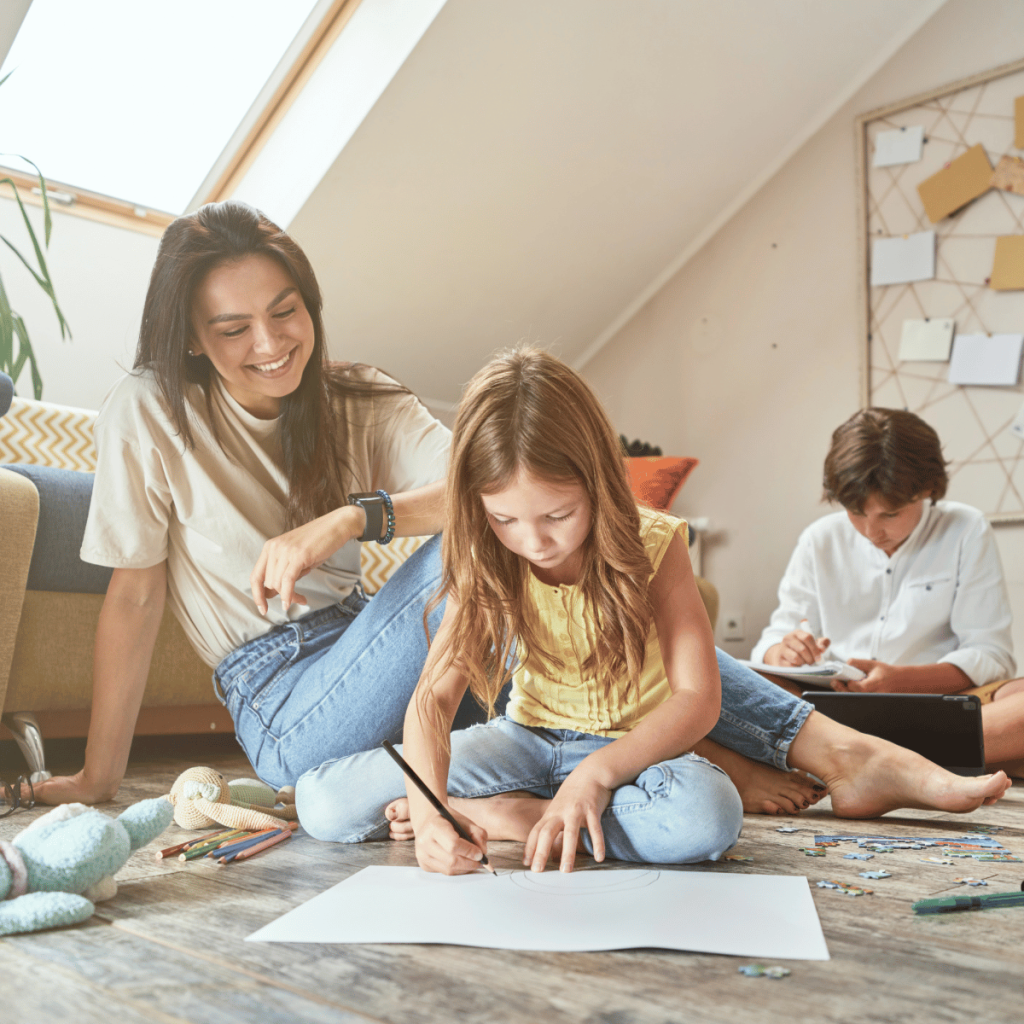
Studies in developmental psychology also show that supportive relationships play an essential role in learning. When children feel emotionally secure and supported by the adults guiding them, they are more willing to ask questions, explore new ideas, and persist through challenges.
These findings help explain why learning environments built around curiosity, conversation, and exploration are so effective.
Learning Begins with Curiosity
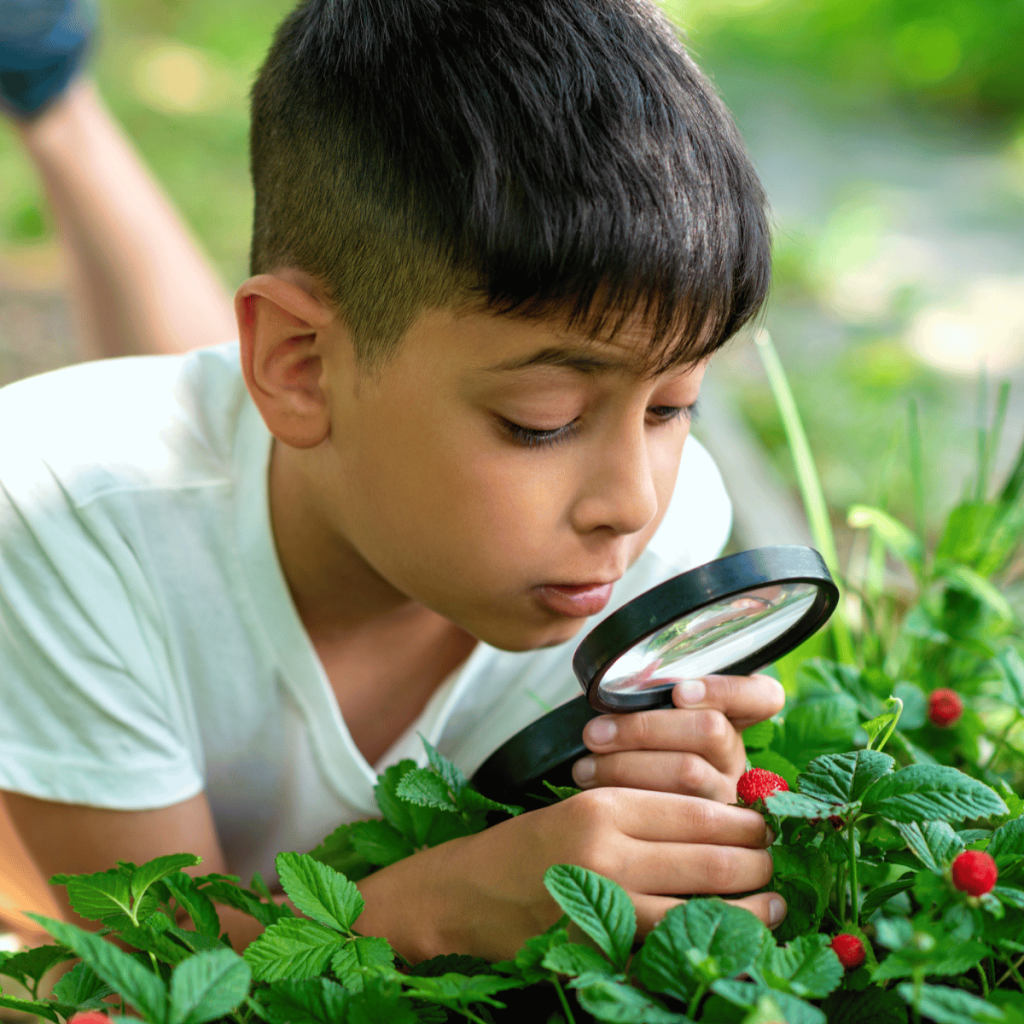
Children are naturally curious. From the moment they begin exploring the world, they constantly ask questions.
Why does this work?
What happens if I try this?
Why is that different?
Curiosity is one of the brain’s most powerful learning drivers. When children are interested in something, their brains release chemicals that increase attention and strengthen memory.
In other words, curiosity makes learning stick.
Rather than trying to force interest, effective learning environments give children opportunities to explore ideas, ask questions, and make discoveries. These environments aren’t limited to a table and curriculum; they expand into the pages of books, the backyard, and beyond.
Children Learn Through Conversation
One of the most powerful learning tools in early childhood and elementary education is simple conversation.
When children talk about ideas, explain their thinking, or answer thoughtful questions, their brains are actively organizing information. Language helps children build connections between ideas and deepen their understanding.
Research in child development consistently shows that children who engage in frequent, meaningful conversations with adults develop stronger vocabulary, reasoning skills, and comprehension.
This is why many Learning Moments® lessons are built around shared discussion, experiences, and questions rather than just independent worksheets.
Conversation transforms information into understanding.
Movement and Hands-On Exploration Strengthen Learning
Children are not designed to learn while sitting still for long periods of time.
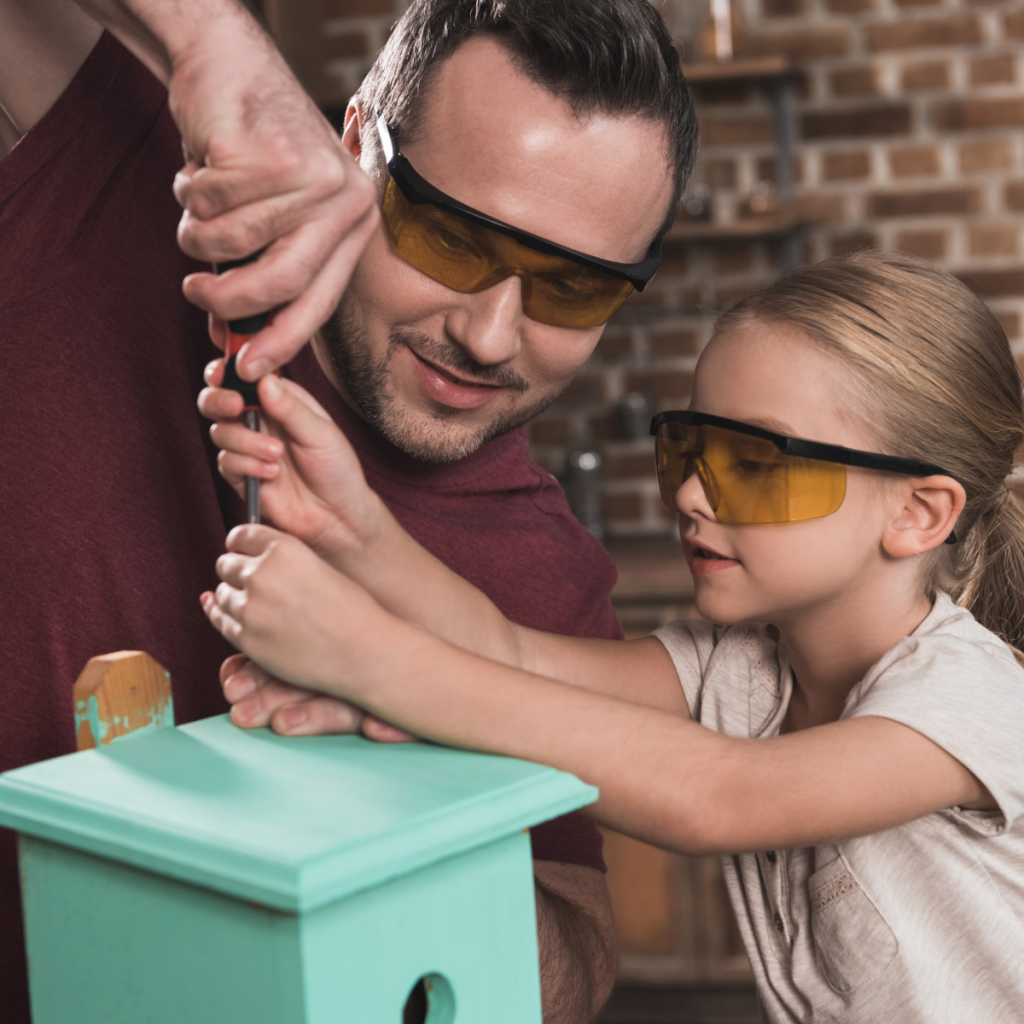
Young brains develop through movement and interaction with the physical world. When children manipulate objects, build things, experiment, and explore, they engage multiple areas of the brain at once.
These experiences strengthen memory and help ideas become more concrete and meaningful.
Hands-on learning also allows children to test ideas, make mistakes, and try again—an essential part of building true understanding.
Repetition Builds Mastery
Children rarely understand something fully the first time they encounter it.
Learning happens gradually through repeated exposure and practice. Each time a child revisits an idea, their brain strengthens the connections that support that knowledge.
This is why effective learning systems and environments revisit key ideas in multiple ways over time. Reading, discussing, practicing, and applying knowledge in different contexts helps children build lasting understanding.
Repetition isn’t a sign that learning has failed; it’s how learning grows stronger.
Play Is Not Separate from Learning
Play is often treated as something that happens after learning is finished. In reality, play is one of the primary ways children process and apply new knowledge.
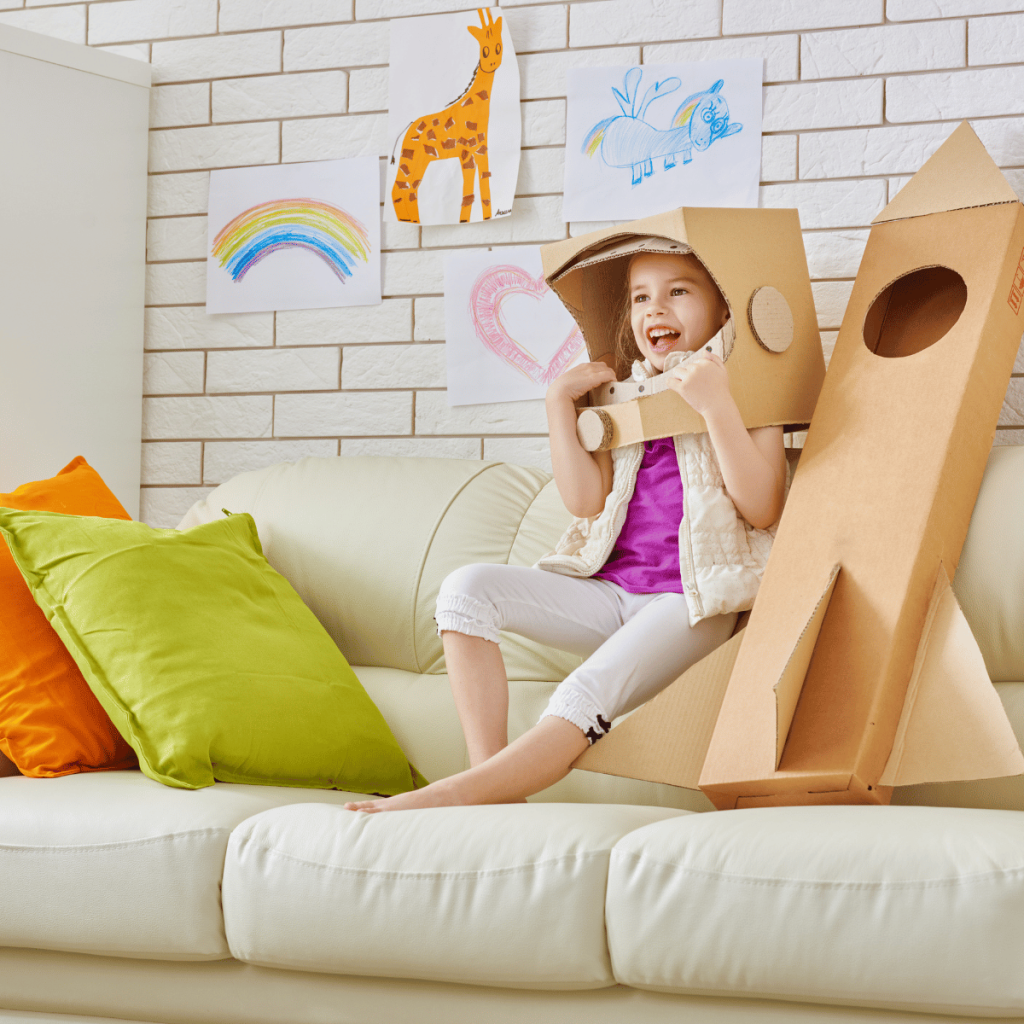
During play, children experiment with ideas, solve problems, invent stories, and explore relationships between concepts. These experiences strengthen creativity, critical thinking, and emotional development.
Even boredom plays an important role. When children have space to entertain themselves, they often begin inventing games, building projects, or asking deeper questions about the world around them.
Unstructured time allows the brain to integrate what it has learned.
What This Looks Like in Everyday Learning
Imagine a typical learning moment.
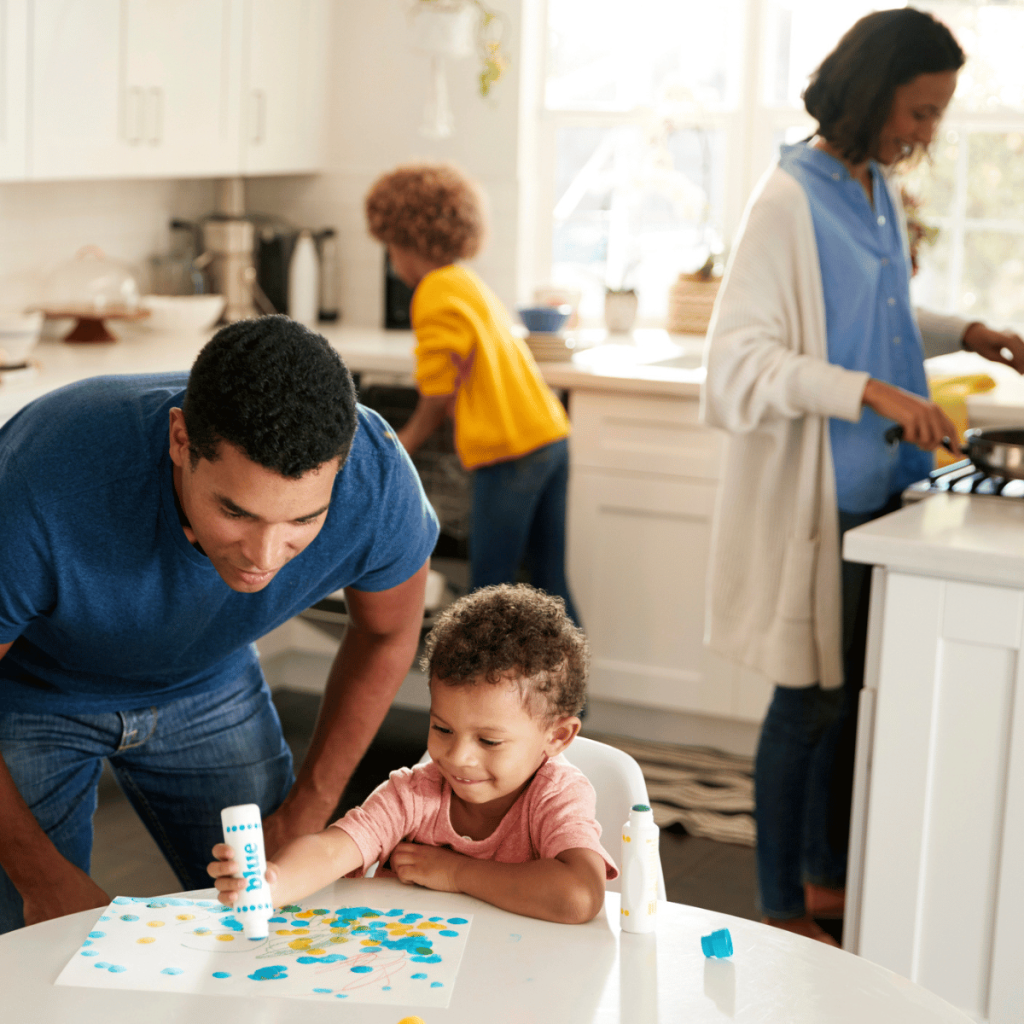
You read a short passage together. Your child pauses and asks a question about something interesting. Instead of rushing to finish the page, you talk about it for a minute.
Later in the day, your child brings up the idea again while playing or drawing. The concept has stuck, not because it was forced, but because it connected with curiosity.
Some days learning looks like focused work at the table. Other days it happens during a conversation on the couch, a discovery outside, or a question that leads to a deeper discussion.
Learning doesn’t always happen in straight lines. But when children are curious, engaged, and supported, those moments slowly build into real understanding.
Key Principles
Research and experience consistently point to several patterns that support strong learning:
• Curiosity drives attention and memory
• Conversation deepens understanding
• Hands-on exploration strengthens learning
• Repetition builds mastery
• Play helps children apply and integrate new ideas
• Supportive relationships make learning possible
When learning environments respect these patterns, children develop both knowledge and confidence.
What This Means for Families
When we understand how children actually learn, education begins to look different.
Learning doesn’t need to fill every hour of the day. It doesn’t require constant instruction or complicated preparation. Instead, it grows through a rhythm of focused lessons, meaningful conversation, exploration, and play.
When learning follows the way children naturally grow, the whole process becomes calmer, clearer, and more enjoyable for everyone.
This is the philosophy behind Learning Moments®.
Lessons are designed to be clear, engaging, and manageable so that families can focus on what matters most: curiosity, understanding, and connection.
Resources:
Harvard Center on the Developing Child
https://developingchild.harvard.edu
National Academies: How People Learn
https://nap.nationalacademies.org/catalog/9853/how-people-learn-brain-mind-experience-and-school
American Academy of Pediatrics on play and learning
https://publications.aap.org/pediatrics/article/142/3/e20182058/37583/The-Power-of-Play-A-Pediatric-Role-in-Enhancing